
2022— My Best Year Yet! If you’re not quite ready to make that phrase your new slogan, perhaps your goal setting plan could use a makeover.
It’s understandable if you’re feeling a little burned by previously unfulfilled plans. These last couple of years have presented challenges for everyone.
It might seem more reasonable to set expectations low and avoid a pumped-up planning session, but here are a few tips for setting goals you can get excited about and ensure you’re on the right track for a successful 2022:
Put commitment in your brain.
We will all face obstacles and challenges in the coming year—that’s a given. If you’re committed to your goals and achieving forward, rather than dwelling on difficulties or getting bogged down in bad news, you can weather problems and opportunities with grace and see success on the other side.
Love what you do.
We’re busy—busy working, busy living. If you’re not doing the things you love and being rewarded by them, then you’re not likely to do those things well, and that doesn’t make for a very happy human. If you don’t love at least 80% of the things you do, change them! That could mean changing your job, yourself, your life situation. Whatever it is, make it great so you love what you do.
Lead with a pure mission.
The most successful and happy people find a purpose bigger than themselves; giving and contributing to others. Start by finding a need that is not being met or one that could be met better. Put your energy toward filling that need—your focus should be on people: your customers, your employees, your suppliers. Making money is great, but don’t forget the real reason you lead.
Set your direction.
Make sure your plans for the year ahead are clear. You have your mission; what major challenges and obstacles will you face this year in fulfilling that mission? Make a list of your top 10, and then develop your action plan to overcome each one. Do this for both your professional and personal life. Those action plans are your goals.
Build yourself.
The best way to ensure that you can meet all your goals for the year ahead is to become your best self. Build your skills—your technical skills, your commitment skills, and your personal skills. What strengths can you focus on building and what weaknesses can you work to reduce? Your ability to lead and your personality will be your best tools for solving any challenge and turning any problem into an opportunity.
Bell Leadership is committed to building great leaders because we deeply believe they are the solution to the world’s problems. Our programs can help you and your organization achieve forward in 2022. We provide solutions that help define priorities and focus on the most important work to achieve both organizational and individual goals. We will provide you and your team with the skills to understand the human dynamics of how people truly commit to their work and create a system to help you and your people move their work forward in a complex environment.

Be sure to ask us about our custom programs which can include our proven Goal Setting and Job Design process. Achieve Forward!
More News & Insights for You from Bell Leadership

Signature Roundtable Press Release
Bell Leadership Institute Introduces Signature Roundtables, Built Around Your Business. New cohort-based experiences bring leaders from within the same organization together over time to grow individually, strengthen leadership teams, and address the challenges that matter most to their business.

TRAINER TALK / Bill Sanford
Strong trust in a leader doesn't necessarily equal strong trust across the team, yet both types of trust are vital to a team's success. In this article, we'll explore why the trust that exists between team members can have such a significant impact on team performance, why team trust is easy for leaders to overlook, and how to create the conditions for trust to grow.

TRAINER TALK / Susan Gisler
Trust is built through ongoing small interactions that shape whether people feel safe bringing you the truth. Listening is a critical skill in developing that feeling of safety. In this article, we'll explore that connection, and the ways strengthening the ability to listen can give leaders access to the information they most need to hear.
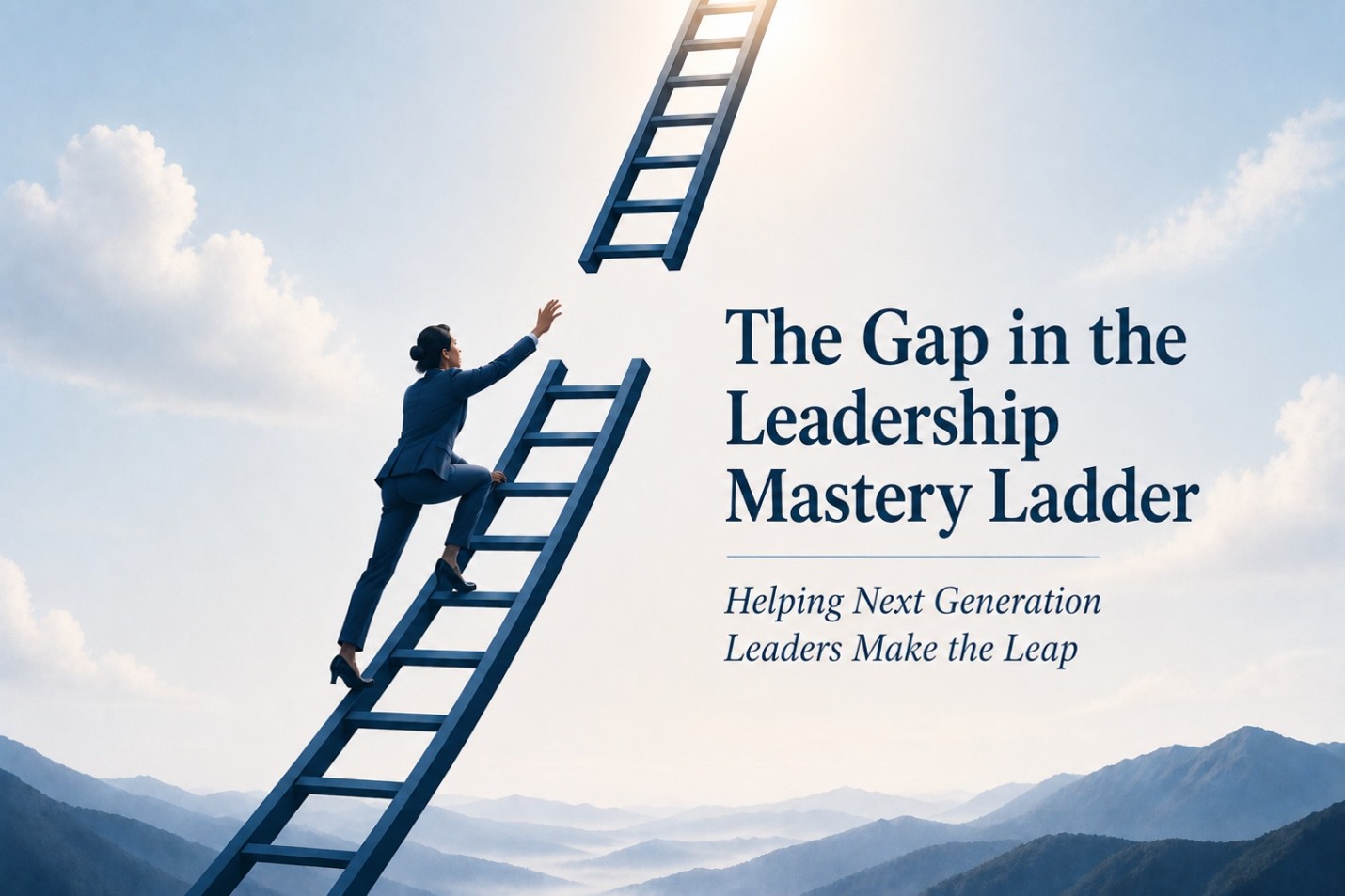
The Gap in the Leadership Mastery Ladder
The transition from functional leadership to enterprise leadership requires more than years of experience or greater responsibility. It requires a different level of mastery: the ability to see beyond one function, navigate competing priorities, challenge assumptions, and make decisions with the broader organization in mind. This article explores the gap that can emerge as next-generation leaders approach the executive level and examines how organizations can create the conditions that help leaders make that shift.

Your Strengths Are Not Enough
Your strengths may help you succeed, but your weaknesses often determine how far you can go. In this article, Bell Leadership examines the hidden patterns that limit leadership effectiveness, why even strong leaders can be held back by a single recurring behavior, and how a balanced approach to development creates lasting change. Discover why great leaders don’t ignore their weaknesses; they learn how to manage them.

How to Maximize Your Time in Alpha
Most leaders understand the value of focused effort, what we call “alpha state.” What may be illuding them is how to achieve that level of focus in a world that increasingly pulls toward distraction, what we call “beta state.” Interestingly, the answer may lie in our personalities. In this article, we’ll explore six different approaches to enabling more time in alpha state and minimizing the pitfalls of beta.

Power of Personality
Personality plays a central role in how leaders think, act, and connect with others. While skills and experience are important, the balance of our foundational personality traits often determines how effectively we lead and collaborate. In this article, we’ll discuss the relationship between knowing ourselves (self IQ) and knowing others (people IQ) and how that translates to the effectiveness of an organization.
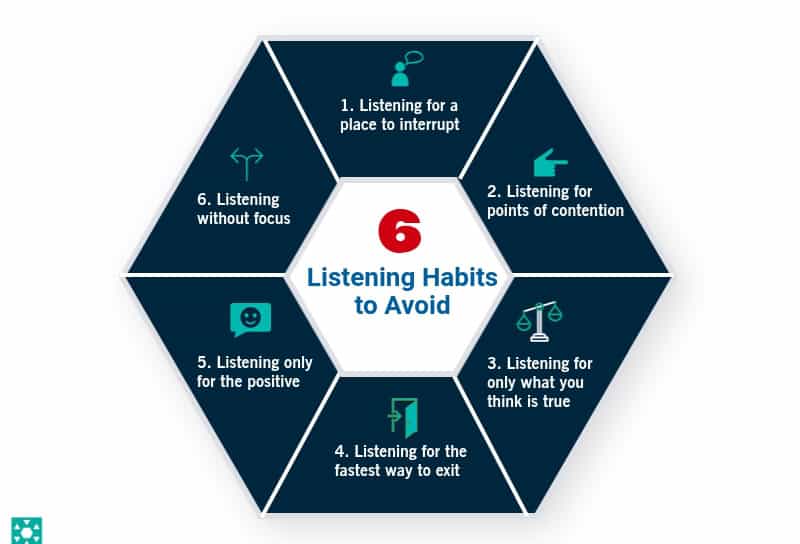
Listening Habits
Listening skills are essential to effective leadership, yet they can be harder to develop than we realize. Many common habits interfere with our ability to truly hear others, weakening understanding and decision-making. This article highlights six common listening pitfalls. Becoming aware of these habits and reducing them can strengthen your communication, deepen relationships, and help you grow as a leader.

Why Great Leaders Can Still Make Poor Hiring Decisions
Hiring the right candidate is often more complex than it appears. Even strong, experienced leaders can find themselves making misaligned hiring decisions when certain assumptions or pressures come into play. This article explores five common hiring pitfalls and the patterns of thinking behind them—offering insight into how even effective leaders can get caught in them and how to avoid them.

Setting the Course for 2026: Principles for Meaningful Growth
Meaningful results in the new year often begin with commitment to clear goals. This article offers five guiding principles to help you focus your energy on what matters most and create a plan to move forward with purpose.