FEATURE ARTICLE
Steady Leadership for a Shifting World
Part 1: How the Best Leaders Navigate Change and Uncertainty
For more than 50 years, Bell Leadership has researched an essential question: What makes a truly great leader?
We’ve asked over 100,000 professionals to describe the best—and worst—leaders they’ve ever worked with, and what we’ve learned is clear: The core characteristics of effective leadership have not changed over time. How those leaders apply their strengths in the face of change and uncertainty makes all the difference.
We’re living through one of the most unpredictable and fast-moving eras in history. Volatility, disruption, and ambiguity are no longer occasional hurdles—they’re part of daily life. In this environment, the best leaders don’t wait for stability to return. They build the skills to lead effectively no matter what comes next.
At Bell, we call this Steady Leadership for a Shifting World. And it’s exactly what we’ve spent five decades helping leaders and their teams develop.
About
Explore six key behaviors that distinguish highly effective leaders in times of change—and how they guide their teams with clarity, focus, and adaptability when the path ahead is unclear.
The Best Leaders Keep Moving Forward—with Skill and Intention
They communicate with empathy and clarity
The best leaders are skilled listeners who take the time to understand their people. In moments of change, they communicate with compassion and transparency—helping others feel seen, heard, and supported.
The impact: People feel safer and more engaged, even when the path ahead is uncharted.
They take initiative and lead proactively
The unfamiliar doesn’t freeze these leaders—it fuels them. They’re energized by solving problems and taking smart, calculated risks. Instead of sitting back and waiting to be told what to do while strategy evolves, these leaders find resources and solutions to move things forward, keeping their team up to date in the process.
The impact: Teams gain momentum, stay energized, and feel inspired to move forward.
They uphold high standards with courage and fairness
Great leaders are grounded in integrity. They do what’s right—even when it’s hard—and hold others accountable without blame. One example, a leader willing to pause a high-profile change project to address quality concerns, showing their team that doing the right thing matters more than speed.
The impact: Trust increases. Teams know what to expect and respect how decisions are made.
They bring order to chaos
When things feel unpredictable, these leaders create structure and dedicate the effort needed to stay focused. They prioritize, organize, and follow through—while remaining flexible enough to adjust when plans evolve. When change is necessary, they pivot with clarity and purpose, not panic.
The impact: People feel focused and more capable of delivering results under pressure.
They stay calm and resilient under pressure
Steady leaders choose a thoughtful response over a reactive one. They understand that not every moment requires maximum effort—and that there will be times when extra energy and focus are essential. They pace themselves and help their teams do the same, knowing when to push and when to pause so they’re ready for the moments that matter most.
The impact: Teams take their cues and manage stress more effectively together.
They adapt, imagine, and solve creatively
The best leaders remain curious. They embrace change as a chance to improve and innovate, but they don’t chase change for its own sake. They thoughtfully evaluate what’s worth pursuing and what’s best left steady. One executive, for instance, reframed a supply chain disruption as a design opportunity—bringing their team together to rethink how they source and deliver value.
The impact: Teams grow more flexible, innovative, and ready to face challenges.
Leadership That Stands the Test of Change
These six behaviors are not just useful—they’re essential. The best leaders build them over time, through self-awareness, meaningful feedback, and intentional practice.
We know from experience: These leaders don’t just help their organizations weather change—they shape the future and help their teams navigate it successfully. They create clarity. Inspire courage. Build trust. And they keep moving forward—no matter what comes next.
Part 2:
The pitfalls and leadership missteps we’ve seen most often—especially in periods of high change and uncertainty. We’ll explore how well-intentioned leaders can fall into patterns that undercut their effectiveness, and how to recognize the signs and course correct. Read Part 2
Talk to a Bell Leadership expert.
Looking for some guidance to balance your daily responsibilities as a leader while maintaining focus on long-term goals?
Recent News and Insights

Power of Personality
Personality plays a central role in how leaders think, act, and connect with others. While skills and experience are important, the balance of our foundational personality traits often determines how effectively we lead and collaborate. In this article, we’ll discuss the relationship between knowing ourselves (self IQ) and knowing others (people IQ) and how that translates to the effectiveness of an organization.
Listening Habits
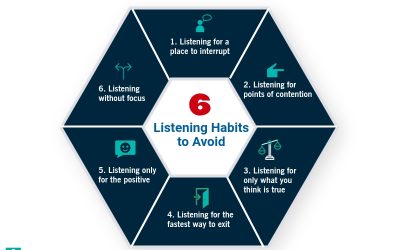
Listening skills are essential to effective leadership, yet they can be harder to develop than we realize. Many common habits interfere with our ability to truly hear others, weakening understanding and decision-making. This article highlights six common listening pitfalls. Becoming aware of these habits and reducing them can strengthen your communication, deepen relationships, and help you grow as a leader.

Why Great Leaders Can Still Make Poor Hiring Decisions
Hiring the right candidate is often more complex than it appears. Even strong, experienced leaders can find themselves making misaligned hiring decisions when certain assumptions or pressures come into play. This article explores five common hiring pitfalls and the patterns of thinking behind them—offering insight into how even effective leaders can get caught in them and how to avoid them.